
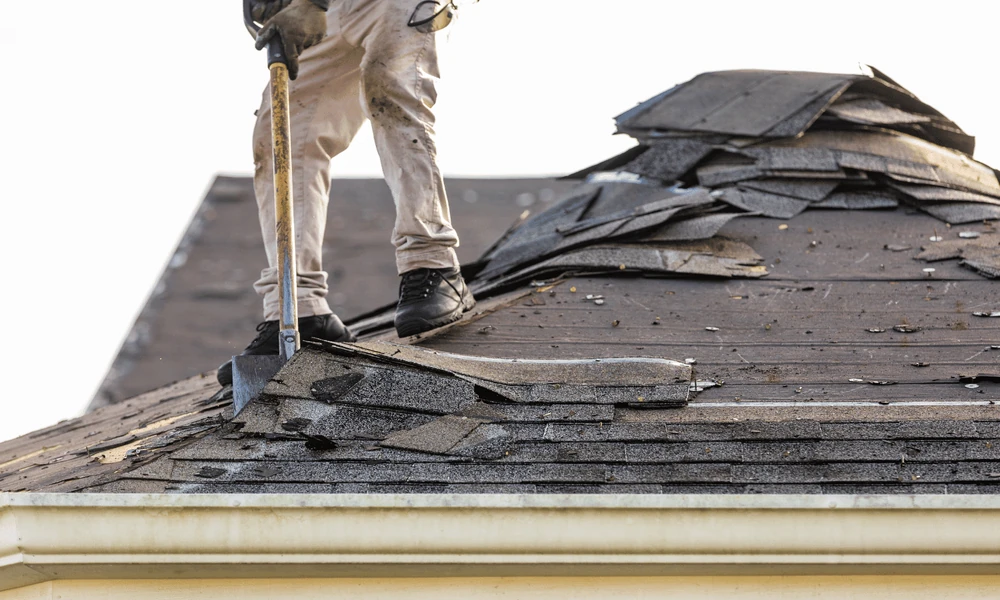
A storm can change the condition of a roof in a matter of hours. High winds may loosen shingles, hail can leave small impact marks, and heavy snow or ice can place additional stress on the roofing system. The difficult part for homeowners is that not all storm damage is immediately obvious.
A roof may look perfectly acceptable from the driveway while damaged flashing, lifted shingles, compromised seals, or moisture intrusion are already developing beneath the surface.
For homeowners in Howell, Michigan, understanding what to do after severe weather can make the difference between a manageable repair and a much larger home improvement project. Michigan regularly experiences thunderstorms, hail, strong winds, and winter weather, all of which can create different types of roofing problems. The Michigan Department of Insurance and Financial Services specifically notes that severe weather can result in issues such as lifted shingles and other exterior property damage.
The question is not always whether a roof has been damaged. The more important question is how serious the damage is and what solution makes financial and practical sense.
Start With Safety, Not the Roof
The first mistake homeowners sometimes make after a storm is immediately climbing onto the roof to inspect it.
That can be dangerous, particularly when shingles are wet, surfaces are unstable, branches have fallen nearby, or electrical lines have been damaged. A professional inspection is usually the safer option when the condition of the roof is uncertain.
From the ground, however, homeowners can still look for obvious warning signs. Missing shingles, pieces of roofing material in the yard, damaged gutters, fallen branches, exposed sections of the roof, or visible dents can all justify a closer professional assessment.
Inside the house, check ceilings and upper walls for new stains. Water intrusion may not appear directly beneath the original point of entry, so a stain in one room does not necessarily mean the roof above that exact spot is the source.
Not Every Damaged Roof Needs to Be Replaced
One of the biggest misconceptions about storm damage is that any visible problem automatically means a complete roof replacement.
That is not necessarily true.
A roof can sometimes be repaired when damage is limited to a small area. For example, replacing several damaged shingles or repairing flashing may resolve the problem without disturbing the rest of the roofing system.
On the other hand, widespread damage can tell a different story. If shingles are failing across multiple sections, the roof is already near the end of its useful life, or there is damage beneath the visible roofing materials, replacement may be the more sensible long-term option.
The goal should not be to choose the cheapest immediate solution. It should be to choose the solution that addresses the actual condition of the roof.
Look Beyond the Shingles
Shingles are the part of the roof most homeowners notice, but they are only one component of the complete roofing system.
A professional assessment should consider flashing around chimneys and roof penetrations, ventilation, roof valleys, gutters, underlayment, decking, and other areas where water can enter.
This is especially important when a roof has experienced repeated leaks. Replacing a few damaged shingles may not solve the underlying issue if water is entering through deteriorated flashing or another vulnerable area.
The same principle applies to older roofs. A roof with one damaged shingle and a roof with widespread deterioration may look similar from the ground, but the appropriate repair strategy can be completely different.
When Choosing a Roofing Company, Ask Better Questions
Once an inspection confirms that work is needed, homeowners should spend some time evaluating the contractor rather than choosing the first company that offers an estimate.
A qualified roofing company in Howell should be able to explain what was found during the inspection and why a particular repair or replacement is being recommended. BHM Remodeling
Ask the contractor to explain the condition of the existing roofing materials, whether the damage appears localized or widespread, and whether any underlying problems were discovered.
It is also worth asking what materials will be used, how long the project should take, how the property will be protected during construction, and how debris will be handled afterward.
A detailed estimate is much more useful than a single price. Homeowners should understand what that price includes before signing an agreement.
Be Careful With Storm-Related Contractor Pressure
Severe weather can create a sudden demand for roofing repairs, and that can attract contractors who use aggressive sales tactics.
Homeowners should be cautious if someone appears immediately after a storm and insists that repairs must begin that day. Pressure to sign quickly, demands for unusual upfront payments, vague contracts, or unwillingness to provide documentation should all raise questions.
The Michigan Department of Insurance and Financial Services has specifically warned residents about contractor fraud following severe weather. The department recommends verifying contractors and getting written estimates before proceeding with repair work.
Michigan also provides resources for checking contractor licensing. The state advises homeowners to verify a contractor’s residential builder or maintenance and alteration contractor credentials when applicable.
Taking an extra few minutes to verify credentials can prevent a great deal of trouble later.
Understand the Difference Between Cosmetic and Functional Damage
Not every mark on a roof has the same significance.
Some damage may affect the appearance of roofing materials without immediately compromising their ability to protect the home. Other damage can affect the roof’s ability to resist water and wind, even if it is difficult to see.
That distinction is one reason professional assessment matters.
For example, a homeowner may notice small marks on shingles following a hailstorm. The important question is not simply whether the marks exist. It is whether the roofing material has been compromised and whether the damage affects its performance.
Similarly, a shingle that appears slightly lifted may look insignificant from the ground but could become more vulnerable during another high-wind event.
Do Not Forget the Attic
The attic can reveal problems that are difficult to identify from outside.
After significant weather, look for signs of moisture around roof decking, insulation, rafters, or other structural components. A musty smell or unexplained dampness can also indicate that water has entered the roofing system.
Attic ventilation deserves attention as well. Proper ventilation and insulation help manage temperature and moisture conditions inside the roof assembly.
This becomes particularly relevant during Michigan winters. The state notes that heavy snow, ice dams, and water leaks can contribute to winter-related roof damage. Keeping gutters clear and maintaining appropriate attic insulation and ventilation can help reduce the likelihood of ice-damming problems.
Document Everything Before Repairs Begin
If you believe your roof has suffered storm damage, take photographs and videos before permanent repairs begin, provided it is safe to do so.
Photograph the exterior from several angles, damaged roofing materials, gutters, fallen branches, interior stains, and any other affected areas.
Documentation can be useful when discussing the damage with a contractor or insurance company. Keep copies of inspection reports, estimates, invoices, and correspondence as well.
If you plan to file an insurance claim, contact your insurer and understand what your policy covers before authorizing major permanent repairs. Michigan DIFS recommends documenting damage and understanding the applicable policy provisions during the claims process.
Think About the Roof’s Remaining Life
Storm damage should also prompt homeowners to consider the age and overall condition of their roof.
Imagine two houses experience the same hailstorm. One has a relatively new roof that was installed properly and has otherwise been well maintained. The other has an aging roof with years of wear, previous repairs, and signs of deterioration.
Even if both roofs have several damaged shingles, the appropriate solution may be completely different.
This is why a good roofing assessment should consider the entire system rather than focusing only on the most obvious damage.
If a roof is otherwise in excellent condition, targeted repairs may be reasonable. If it has widespread deterioration and is already approaching the end of its expected service life, investing heavily in repeated repairs may not make financial sense.
A Smart Roofing Decision Starts With Information
Homeowners do not need to become roofing experts to make good decisions about their homes. They simply need to know what questions to ask and when to bring in a qualified professional.
After severe weather, start with safety. Look for obvious signs of damage from the ground, check the interior for water intrusion, and arrange a professional inspection when necessary.
Then evaluate the bigger picture. Is the damage isolated or widespread? Is the roof relatively young or already aging? Are there problems underneath the shingles? Is repair likely to provide a durable solution, or would replacement make more sense?
Most importantly, do not allow storm-related urgency to replace careful decision-making.
A roof is a major part of any home, and the right solution is rarely determined by one missing shingle or one contractor’s sales pitch. A thorough inspection, clear documentation, a detailed estimate, and a qualified contractor give homeowners the information they need to protect their property and make a decision they can feel confident about.