
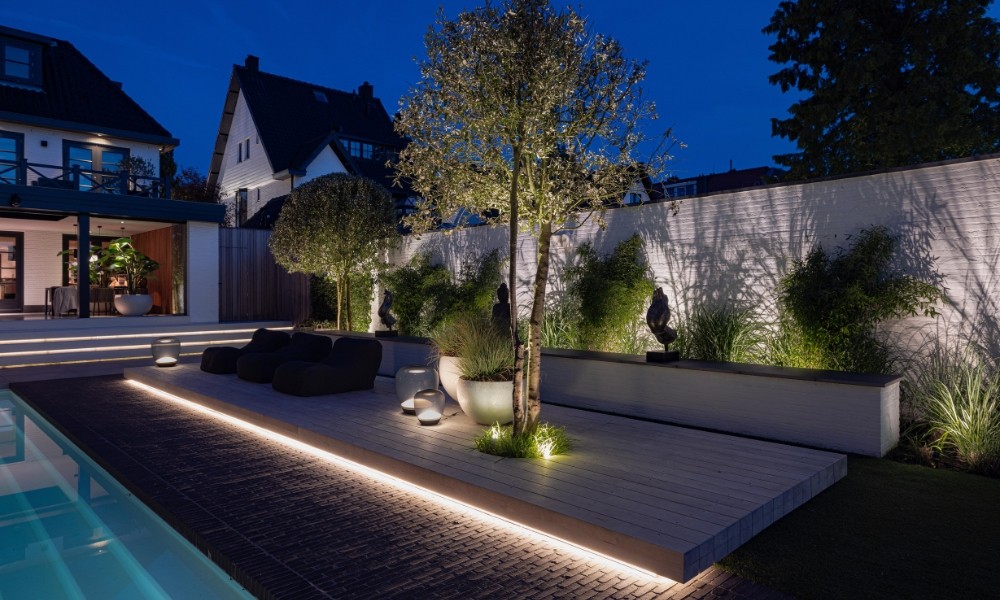
In recent years, LED lighting has transformed how we illuminate homes, offices, and public spaces. Two key components driving this change are LED strip lights and LED modules. Understanding these elements helps anyone interested in lighting solutions choose what fits best, whether for a cozy home setup or a large commercial project.
Introduction to LED Lighting Components
LED, or Light Emitting Diode, technology is known for its energy efficiency and long life. Unlike traditional bulbs, LEDs use less power and generate less heat, making them an environmentally friendly option. LED strip lights and LED modules are among the most versatile forms of LED lighting. They allow for creative lighting designs and practical applications, from accent lighting to fully functional illumination.
Understanding LED Strip Lights
LED strip lights are flexible circuit boards embedded with tiny LEDs spaced evenly along the length. This flexibility allows them to bend around corners, fit into narrow spaces, and be cut to specific lengths, making them ideal for creative and customized lighting designs.
When searching for the right lighting supplier, a reliable led strip lights manufacturer ensures that these products come with consistent brightness, durability, and safety features. Such manufacturers focus on quality components that allow the strips to function well in a variety of environments, including kitchens, living rooms, or outdoor settings.
Common uses for LED strip lights include under-cabinet kitchen lighting, backlighting for televisions or monitors, and decorative lighting in commercial spaces. They offer smooth, continuous light and can be found in various colors and brightness levels.
When considering LED strip lights, important features to look for include color temperature (warm or cool light), brightness measured in lumens, and waterproof ratings for outdoor or humid area use. These aspects influence both the look and durability of the lighting setup.
Insight into LED Modules
LED modules differ from strip lights mainly in structure and application. Instead of a continuous strip, LED modules consist of individual LED units mounted on small circuit boards, often with a lens or cover. This design provides focused and uniform light, useful for signs, display cases, and architectural lighting.
Working with a trusted led module manufacturer means the modules are built to provide consistent output and withstand environmental factors such as moisture or dust. These modules are engineered for reliability, often featuring protective housings and optimized electrical components to ensure long-term performance.
Because of their compact and robust build, LED modules are often used in applications where reliability and consistent brightness are essential. They can be arranged in various shapes and sizes to fit specific design needs, making them a favorite for outdoor signage and commercial lighting.
Unlike strip lights, which are flexible, LED modules are generally rigid, which means they suit applications requiring stable and uniform illumination rather than flexible or decorative lighting.
Manufacturing Perspectives: What Makes Quality LED Products?
The quality of LED strip lights and modules comes down to several factors in the manufacturing process. Reliable LED products use high-quality materials such as pure copper for circuitry and efficient LED chips for better light output and longevity.
Durability is another key consideration. Well-made LED components withstand heat better and have protective coatings or housings that guard against moisture, dust, and physical damage. Manufacturing processes that ensure precise soldering and secure connections also contribute to longer-lasting products.
Innovation in LED manufacturing has introduced features like dimmability, color-changing options, and improved energy efficiency. These advancements allow for more versatile and user-friendly lighting solutions tailored to modern needs.
Choosing the Right LED Lighting Component for Your Needs
Choosing between LED strip lights and LED modules depends on several factors, including the space, the type of light needed, and installation requirements.
If you want flexible, customizable lighting that can contour to surfaces or create ambient effects, LED strip lights are often the better choice. They are easy to install in tight or unusual spaces and offer a continuous, seamless glow.
On the other hand, if your project requires precise, bright, and consistent illumination such as for signage or architectural highlights LED modules are more suitable. Their fixed shape and focused light make them effective in professional settings where reliability is key.
Other factors influencing the choice include brightness, energy consumption, size, and installation complexity. Knowing these details helps make informed decisions that align with both functionality and design.
Environmental and Energy Considerations
One of the biggest advantages of LED lighting components is their energy efficiency. LEDs consume far less power compared to traditional incandescent or fluorescent bulbs, which translates to reduced electricity bills and a smaller carbon footprint.
In addition, LED strip lights and modules generate minimal heat, reducing cooling costs in indoor environments. Their long lifespan means fewer replacements and less waste, making them a sustainable lighting option.
When selecting LED components, looking for energy ratings and certifications can provide assurance of their environmental benefits. Sustainable lighting choices are increasingly important for both residential and commercial projects aiming to reduce environmental impact.
Conclusion:
The world of LED lighting continues to evolve rapidly. Trends like smart lighting, where LEDs integrate with home automation systems, and advanced color tuning, allowing users to customize ambiance precisely, are becoming more common.
Both LED strip lights and LED modules will play vital roles in future lighting solutions. Their adaptability and efficiency make them key to creating innovative, functional, and environmentally conscious lighting designs.
Understanding these components helps anyone whether a homeowner, designer, or business owner make the most of modern LED technology for better-lit, more enjoyable spaces.