
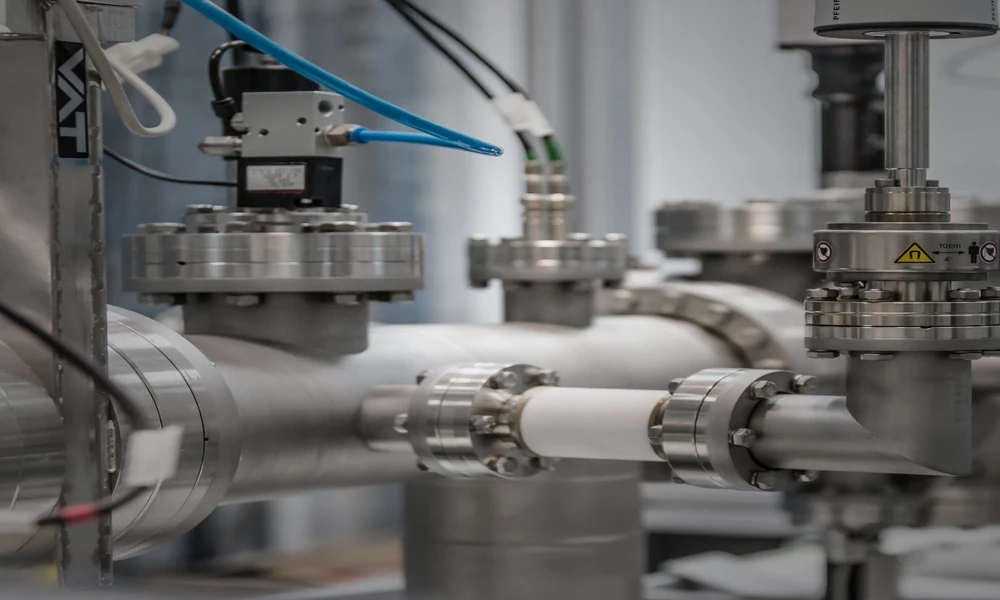
Encapsulated sealing technologies have become essential in modern industries where safety, chemical resistance, and durability are critical. From pharmaceuticals to heavy manufacturing, these advanced sealing components offer reliable performance in demanding environments. Among the most widely used options, PTFE envelope gaskets stand out for their ability to handle aggressive chemicals while maintaining structural stability.
Why Encapsulation Matters in Industrial Sealing
Encapsulation combines the strength of elastomers with the protective properties of fluoropolymers. This design ensures that seals remain resistant to corrosion, temperature extremes, and contamination. Industries that deal with reactive fluids or strict hygiene requirements benefit greatly from these solutions.
Unlike traditional seals, encapsulated variants prevent direct exposure of the core material to harsh environments. This significantly extends service life and reduces maintenance frequency. As a result, businesses achieve better operational efficiency and lower downtime. It also helps maintain consistent performance even in applications where fluctuations in pressure and temperature are common.
Chemical Processing Industry
In chemical plants, sealing solutions must withstand exposure to acids, solvents, and reactive compounds. Encapsulated seals are widely used in pipelines, reactors, and storage systems.
- Provide excellent resistance to aggressive chemicals
- Maintain sealing integrity under high pressure
- Reduce the risk of leakage and contamination
A common choice in such environments is FEP encapsulated o rings, which offer a smooth, non-reactive outer layer. Their performance ensures safe handling of volatile substances without degradation over time.
Pharmaceutical and Food Processing Applications
Hygiene and compliance are top priorities in these sectors. Equipment must meet strict standards to prevent contamination during production.
- Non-toxic and easy to clean surfaces
- Compatibility with sterilization processes
- Resistance to bacterial growth
Encapsulated seals help maintain product purity while supporting frequent cleaning cycles. In many cases, manufacturers rely on PFA encapsulated solutions for their superior thermal and chemical resistance, especially in high-temperature sterilisation systems.
Oil and Gas Industry Usage
The oil and gas sector operates under extreme conditions, including high pressure and temperature fluctuations. Sealing components must perform reliably in such challenging environments.
- Prevent leakage in pipelines and valves
- Withstand exposure to hydrocarbons
- Ensure long service life in remote operations
An encapsulated gasket is often used in flanged joints where traditional materials may fail. Its ability to resist swelling and chemical attack makes it ideal for offshore and onshore installations.
Role in Water Treatment Systems
Water treatment facilities require seals that can handle both chemicals and continuous exposure to moisture. Encapsulated solutions play a key role in maintaining system efficiency.
- Resist corrosion from treatment chemicals
- Provide leak-proof sealing in pumps and valves
- Support long-term durability in wet conditions
These seals also help maintain environmental safety by preventing harmful leaks into surrounding areas. Their reliability is especially important in large-scale municipal and industrial water systems.
Integration with Industrial Equipment
Encapsulated seals are commonly integrated into pumps, mixers, and rotating equipment. Their compatibility with different systems makes them highly versatile.
In many cases, they are paired with an OEM mechanical seal to enhance overall performance. This combination ensures that both static and dynamic sealing requirements are met efficiently. Industries benefit from reduced wear, improved reliability, and consistent output. It also minimises unexpected shutdowns, which can otherwise lead to significant production losses.
Challenges and Considerations
While encapsulated seals offer many advantages, proper selection is crucial. Factors such as temperature range, pressure levels, and chemical compatibility must be evaluated carefully. Incorrect usage can lead to premature failure or reduced efficiency.
Additionally, the cost may be higher compared to conventional sealing options. However, the long-term benefits often outweigh the initial investment due to reduced maintenance and longer service intervals.
Future Trends in Encapsulated Sealing
With increasing focus on sustainability and safety, the demand for advanced sealing solutions is growing. Manufacturers are investing in improved materials and designs to enhance performance further.
Innovations include better fluoropolymer coatings, enhanced flexibility, and customised sealing solutions for specific industries. These developments are expected to expand the applications of encapsulated seals even more in the coming years.
Sealing the Future with Confidence
Encapsulated sealing solutions have transformed the way industries approach safety and efficiency. Their ability to perform in extreme conditions while maintaining reliability makes them indispensable across sectors. Whether it is chemical processing, pharmaceuticals, or energy production, these advanced seals continue to set new standards. With options like PTFE envelope gaskets offering dependable performance, businesses can confidently invest in solutions that support long-term operational success.