
Your heating and cooling system works harder than almost any other appliance in your home. It runs through humid summers, chilly winters, and every unpredictable swing in between. Yet many homeowners only think about it when something breaks. Knowing how often to schedule maintenance can save you money, extend equipment life, and keep your household comfortable all year long.
Why Regular HVAC Maintenance Matters
Think of your HVAC system like a car. You wouldn’t drive for years without an oil change, and your furnace and air conditioner need the same consistent attention. Dust builds up, parts wear down, and small issues quietly grow into expensive failures.
Routine maintenance keeps your system running efficiently, which means lower energy bills. It also catches minor problems early, protects indoor air quality, and helps your equipment last far longer than neglected units. Many manufacturers even require proof of regular service to honor warranty coverage.
The General Rule: Twice a Year
For most homes, the best answer is two professional tune-ups per year. Schedule your air conditioning check in the spring, before the heat arrives, and your heating inspection in the fall, before temperatures drop.
This twice-yearly rhythm ensures each system is ready for the season ahead. It also spreads out the workload so technicians can give each component proper attention, rather than rushing through one combined visit.
Local Climate Considerations
Climate plays a big role in how hard your equipment works. Tennessee summers bring heat and heavy humidity, while winters can turn cold and damp. That means your system is likely to run long cycles in both directions. For homeowners looking for dependable HVAC service Nashville, TN, seasonal tune-ups are especially valuable because the equipment rarely gets a true off-season.
Humidity also strains air conditioners, forcing them to remove moisture as well as heat. Pollen in spring adds another challenge by clogging filters and coils faster than you might expect.
What Happens During a Maintenance Visit
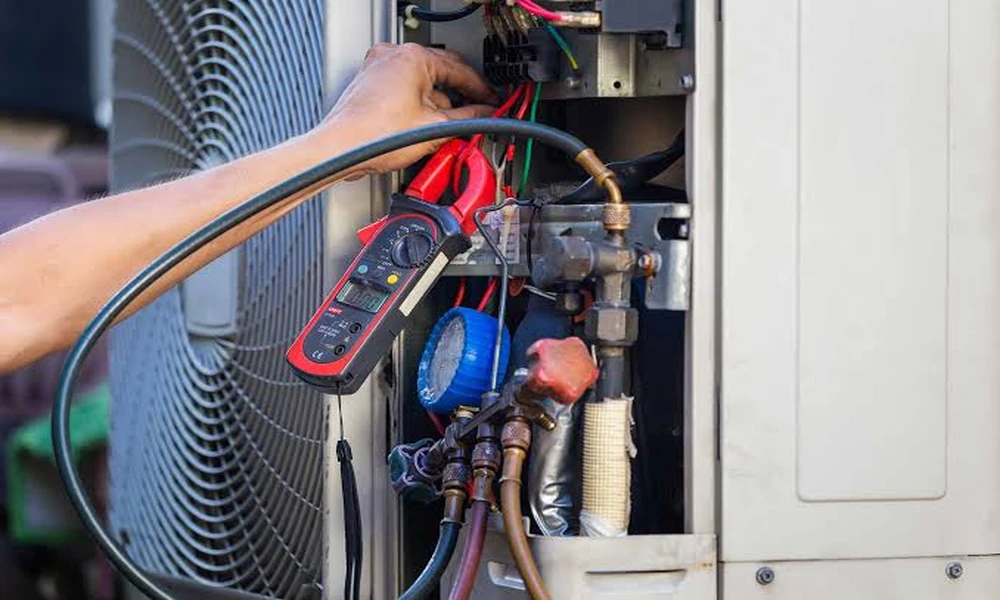
A thorough tune-up goes well beyond a quick glance at your unit. During a typical appointment, a technician will:
- Inspect and clean coils, blower components, and condensate drains
- Test thermostat accuracy and electrical connections
- Check refrigerant levels and airflow
- Examine the burner, heat exchanger, and safety controls on furnaces
Beyond these checks, the technician will lubricate moving parts and tighten loose connections. These small steps reduce friction and strain, which is exactly how maintenance prevents breakdowns.
Factors That May Require More Frequent Service
Not every home fits the twice-a-year mold. Some situations call for extra attention.
Older systems. Equipment over ten years old tends to wear faster and may benefit from added inspections, especially before peak seasons.
Homes with pets. Fur and dander clog filters and coils quickly, reducing airflow and efficiency.
Allergy or asthma concerns. If anyone in your household is sensitive to airborne irritants, more frequent filter changes and duct checks can make a real difference.
Heavy usage. Larger households, home offices, or rental properties often run systems nearly nonstop, which accelerates wear.
Between Visits: What You Can Do Yourself
Professional service is essential, but small habits fill the gaps. Replace or clean your air filter every one to three months, depending on the filter type and household conditions. A dirty filter is the most common cause of reduced airflow and strained equipment.
Keep outdoor units clear of leaves, grass clippings, and debris, leaving at least two feet of open space around them. Make sure vents and registers inside your home are unblocked by furniture or rugs. Finally, pay attention to your system. Strange noises, weak airflow, uneven temperatures, or rising energy bills are all signals that it’s time to call for help sooner.
The Cost of Skipping Maintenance
Neglected systems tend to fail at the worst possible moments, usually during the hottest or coldest days when repair demand is highest. Emergency repairs cost more than planned maintenance, and a shortened equipment lifespan means earlier replacement. A modest annual investment in tune-ups almost always costs less than a single major breakdown.
Conclusion
The best maintenance schedule for most homeowners is simple: one tune-up in spring for cooling and one in fall for heating, plus regular filter changes in between. Older systems, busy households, and homes with pets or allergy concerns may need a little extra care. By staying consistent, you protect your comfort, lower your energy costs, and get the most from your investment for years to come. Book your next appointment before the season changes, and your system will be ready when you need it most.