
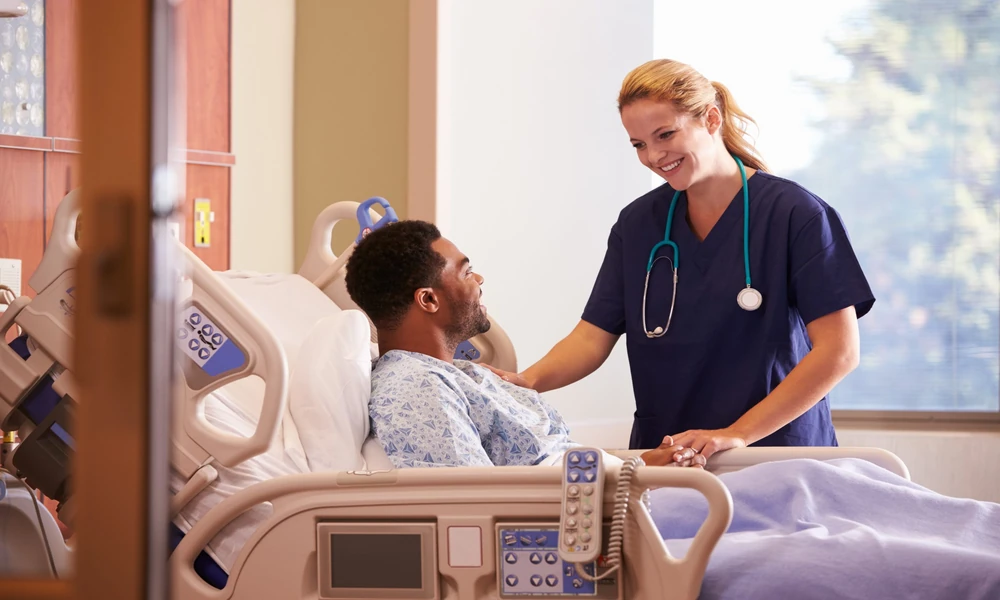
When a loved one needs long-term care at home, most caregivers focus on medicines, diet, and doctor visits. What often goes unnoticed is something far simpler yet equally critical – how the patient is positioned during rest. The way a person lies or sits in a bed for patients directly affects circulation, lung health, skin condition, and overall recovery speed. Positioning is not just about comfort; it is a medical necessity that shapes the entire caregiving experience.
Small adjustments made consistently throughout the day can prevent serious complications that are far harder to treat once they develop. Understanding the basics of patient positioning empowers caregivers to provide safer, more effective care right from the comfort of home.
Why Positioning Matters
The human body is not built for prolonged stillness. When a patient remains in one position for hours, pressure builds on bony areas, blood flow slows, and skin tissue begins to break down. These problems can surface within hours in vulnerable individuals – not days.
Correct positioning helps by:
- Distributing body weight evenly across the mattress surface
- Keeping the spine in a neutral, aligned position
- Allowing the lungs to expand fully with each breath
- Reducing pressure on nerves and joints
- Improving overall comfort and sleep quality
For elderly patients or those recovering from stroke or surgery, even a small change in posture can prevent serious complications down the line.
Common Complications from Poor Positioning
Neglecting proper positioning in home care settings can lead to a range of medical problems:
- Pressure Ulcers (Bedsores): Develop when continuous pressure cuts off blood supply to the skin, especially over bony areas like heels, hips, and the tailbone. In Indian households where caregiving often falls to untrained family members, bedsores are a frequently seen and preventable complication.
- Respiratory Infections: Lying flat for extended periods prevents full lung expansion, allowing mucus to accumulate and increasing the risk of pneumonia.
- Muscle Contractures: Joints not moved regularly stiffen over time and can become permanently locked in a fixed position.
- Deep Vein Thrombosis (DVT): Poor circulation due to immobility can cause blood clots to form in the legs, which can be life-threatening if they reach the lungs.
Key Positioning Techniques for Home Caregivers
Understanding a few standard positions can dramatically improve patient outcomes:
- Supine Position (On the Back): Place a small pillow under the knees to ease lower back pressure. Float the heels off the mattress using a pillow under the calves to prevent bedsores on the heel bones.
- Lateral Position (Side-Lying): Turn the patient onto their side every two hours. Use a rolled blanket behind the back for support and place a pillow between the knees to avoid joint compression. This position also helps with lung drainage.
- Fowler’s Position (Semi-Sitting): Raise the head of the bed to 45-60 degrees. This is ideal for patients with breathing difficulties, during mealtimes, or while receiving tube feeding. A patient bed for home with smooth motorised elevation makes achieving and maintaining this position effortless for caregivers.
- Prone Position (On the Stomach): Occasionally recommended for certain respiratory conditions but should only be attempted under medical guidance due to the risk of airway complications.
The Right Bed Makes All the Difference
A standard bed frame limits a caregiver’s ability to reposition a patient safely and effectively. A purpose-built medical patient bed changes this entirely.
Key features that support proper positioning include:
- Motorised head and foot adjustment for effortless repositioning at the press of a button
- Height-adjustable frames make safe transfers in and out of bed easier
- Side rails for fall prevention and patient support during self-repositioning
- Compatibility with anti-decubitus mattresses that alternate pressure to actively prevent bedsores
Investing in the right bed reduces physical strain on the caregiver and significantly improves patient safety and comfort throughout recovery.
Proper positioning is a cornerstone of quality home care that directly impacts a patient’s health, comfort, and speed of recovery. From preventing bedsores and respiratory infections to maintaining healthy joints and circulation, the benefits of mindful positioning are both immediate and long-lasting. Families who invest time in learning correct techniques – and pair that knowledge with the right equipment – give their loved ones a genuine advantage in healing. Researching options such as features, support, and Adjustable Bed Price beforehand ensures you make a well-informed decision that serves both the patient and the caregiver effectively.