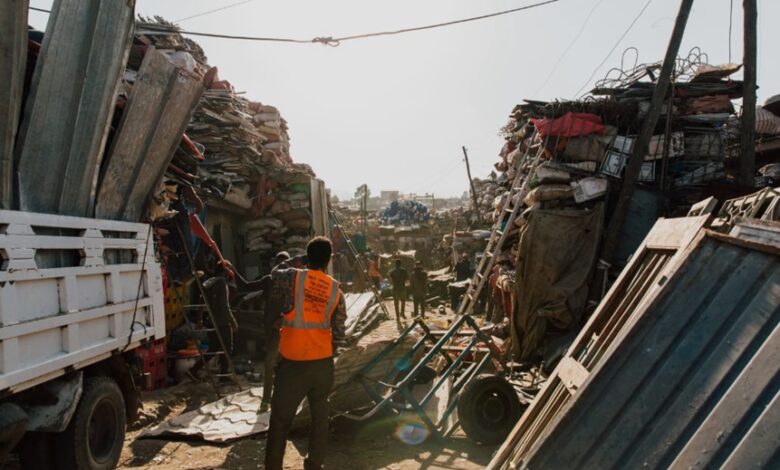
Disposing of metal waste and recyclable materials demands more than a simple trash bin solution. Whether you’re clearing industrial scrap, removing car parts, or offloading metal debris from a construction project, scrap yards remain the most efficient and environmentally sound option. Well-managed operations, such as the scrap yard in Georgia, specialize in handling a wide range of materials, offering a structured alternative to landfill dumping and unmanaged waste collection. Scrap yards are built to support material recovery, environmental compliance, and economic returns—all of which are essential for modern waste strategies.
Efficient Processing of Diverse Metals
Scrap yards are equipped to handle both ferrous and non-ferrous metals in large volumes. This includes common materials like steel, copper, aluminum, and brass. Their facilities are designed for fast, safe intake, often sorted by type and grade, to preserve resale value and streamline recycling workflows. Metals that would otherwise clutter landfills are instead redirected into manufacturing cycles. This conserves raw resources, lowers production emissions, and reduces the need for virgin material mining.
Economic Value Recovery
One of the primary advantages of using a scrap yard is the ability to recoup value from waste. Most facilities offer payment based on the weight and type of metal being processed. This transform discards items, like wiring, fixtures, old appliances, or auto parts, into a source of passive revenue. Facilities such as scrap yards use calibrated scales and transparent pricing models to ensure businesses and individuals receive fair compensation for materials delivered.
Regulatory and Environmental Compliance
Handling and disposing of metals—especially those containing contaminants or hazardous elements—requires strict adherence to local and federal regulations. Scrap yards operate under these guidelines, offering a safe and legal pathway for disposal. Instead of facing fines or compliance risks associated with improper dumping, users benefit from verified, environmentally approved processes. Fluids, batteries, and electronic waste are all managed in accordance with safety protocols.
Convenience and Accessibility
Most scrap yards offer structured drop-off systems, container rentals, or even scheduled pickups for large-scale disposals. This makes the process straightforward for both commercial and residential customers. With dedicated intake lanes, fast service, and minimal paperwork, scrap yards are designed for high-volume efficiency. Time spent unloading or sorting is significantly reduced compared to general waste facilities.
Contribution to Sustainability Goals
Scrap yards contribute directly to sustainability initiatives by closing the loop on metal use. Recycled materials often re-enter production cycles with minimal reprocessing, making them far more efficient than raw extraction. Using these facilities aligns with sustainability benchmarks in the construction, manufacturing, and auto industries. Companies that engage in responsible metal disposal improve their environmental reporting and reduce their carbon footprint without disrupting operations.
Conclusion
Scrap yards represent a critical infrastructure for responsible, efficient material disposal. By using a professional service like a scrap yard, individuals and businesses can turn excess metal into financial gain, meet compliance requirements, and support a more sustainable industrial ecosystem. Whether offloading copper wiring or clearing structural steel, the smart move is to recycle through a facility equipped to maximize recovery and minimize waste.

